Bus Simulator 2026 is not trying to sell a fantasy of reckless speed. It is doing something much more specific, and honestly, much more interesting. This game is about handling a giant machine through real city pressure without clipping a curb, missing a stop, or turning a quiet route into a disaster on wheels. That slower, more deliberate style gives it its own charm. It is a driving game, yes, but one built around discipline rather than drama.
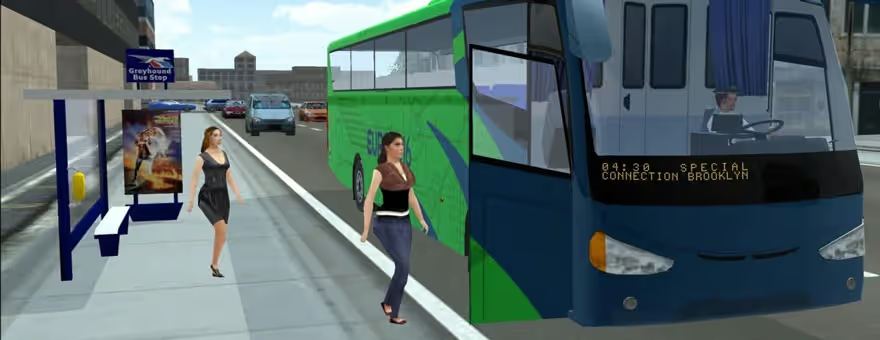
That is where the game gets its hook. Driving a bus should not feel like driving a sports car with a bigger body, and thankfully, it does not. The vehicles feel weighty enough to make turns, braking, and lane positioning matter. Every stop asks for a bit of accuracy. Every stretch of road has to be read properly. Traffic is not just decoration either. It adds enough pressure to make the city feel active instead of staged.
The route system helps a lot here. With hundreds of routes and a huge number of stop combinations, the game has real mileage in it. There is always another drive waiting, another schedule to follow, another chance to handle the road more cleanly than last time. That gives the experience a steady, almost routine satisfaction.
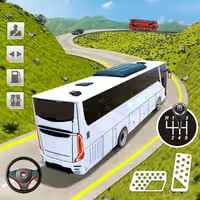
The variety of buses adds personality. Urban models, travel buses, sportier designs, even an articulated one. That mix keeps the garage from feeling flat. The interior views also do a lot of work. A functional cockpit makes the whole thing feel more like operating a vehicle and less like simply steering an object around a map.
All in all, Bus Simulator 2026 works because it understands the strange appeal of public transport sims. It turns routine driving into something focused, methodical, and surprisingly absorbing. The huge map, wide route selection, realistic traffic, and solid bus variety give it enough depth to stay engaging beyond the first few runs
Gallery


More Games